Federated. Sovereign. Mission ready.
Open coordination infrastructure for defence and allied systems.
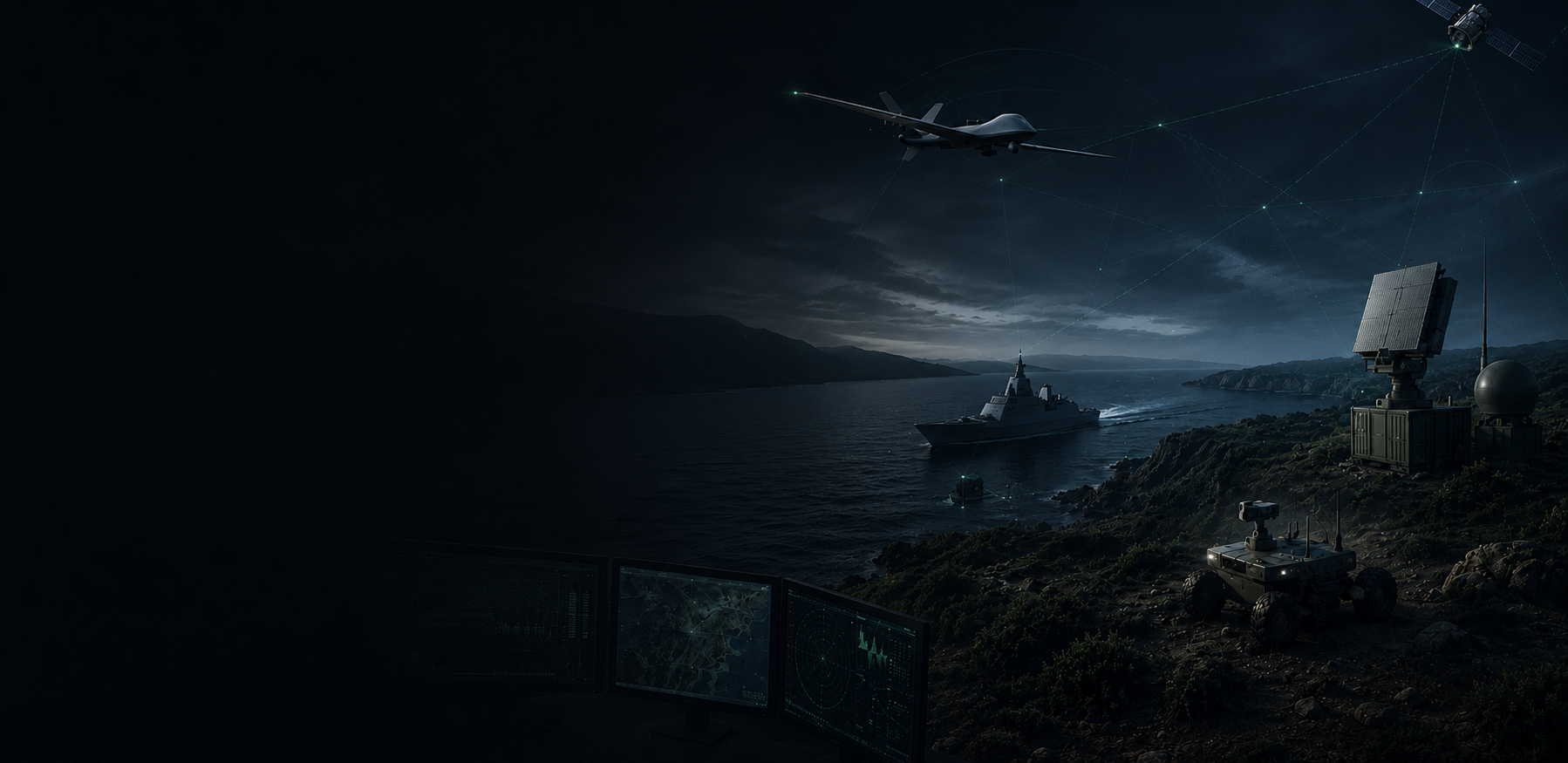
Connect sensors, C2 applications, platforms and autonomous capabilities across organisations and domains without centralising operational control.
Mission systems were not built to coordinate across boundaries.
Defence operations increasingly span different organisations, nations, domains and technology providers.
Yet sensors, software, C2 systems, platforms and autonomous capabilities remain separated by proprietary interfaces, inconsistent policies and organisational boundaries.
Fragmented systems
Sensors, C2 applications, platforms and operational capabilities use different interfaces, data models and integration approaches.
Allied interoperability
Partners need to share authorised capabilities without surrendering sovereign control of systems, data or operational authority.
Legacy constraints
Existing mission systems cannot simply be replaced whenever a new platform, sensor or autonomous capability is introduced.
Centralised vulnerability
Dependence on one platform, operator or data path creates concentrated control, operational bottlenecks and potential failure points.
Mission interoperability cannot depend on a single controlling platform.
Coordinate the mission ecosystem without centralising control.
Neuron provides the identity, discovery, permissions and trust required for independently owned systems to work together across organisations and domains.
Systems can establish authorised direct interactions while each participant retains control of its own infrastructure, policies and operational authority.
- Federated and sovereign
- Each organisation operates within its own environment and determines which systems, services and capabilities are visible to others.
- Interoperable by design
- Connect heterogeneous and legacy systems through open specifications, standards-aligned interfaces and custom integrations.
- Resilient in operation
- Distribute coordination infrastructure across organisations and environments rather than relying on one central operational data path.
- AI and autonomy ready
- Provide agents, robots and autonomous applications with permissioned access to real-world systems and capabilities.
Coordination services provide identity, discovery and permissions across participating organisations. Operational data moves directly between authorised systems rather than into a central repository, and no single organisation controls the environment.
Built for operations that cross domains and organisations.
Neuron provides reusable coordination infrastructure wherever sovereignty, interoperability and resilience are explicit operational requirements.

Coordinate the complete operational response.
Connect surveillance sensors, classification services, C2 applications, autonomous platforms and authorised response capabilities through a shared coordination environment.
- Correlate capabilities across different sensor providers
- Connect sensing, decision-making and operational response
- Apply human approval and policy gates to safety-critical actions
Coordinate the complete operational response.
Connect surveillance sensors, classification services, C2 applications, autonomous platforms and authorised response capabilities through a shared coordination environment.
- Correlate capabilities across different sensor providers
- Connect sensing, decision-making and operational response
- Apply human approval and policy gates to safety-critical actions
Three ways to work with Neuron.
Connect mission systems, enable operational software or deploy sovereign coordination infrastructure. These are alternative engagement routes, not sequential steps.

Connect a mission system
Implement the open Neuron specification to make sensors, platforms, robots and operational capabilities discoverable and accessible to authorised clients.
Open-source specifications and integration tools are available now. Self-service onboarding is coming soon.
Connect C2 and operational software
Enable C2 applications, AI agents and operational software to discover and access authorised system capabilities through Neuron.
Work with Neuron to define the required services, interfaces, permissions and mission workflow.
Deploy sovereign coordination infrastructure
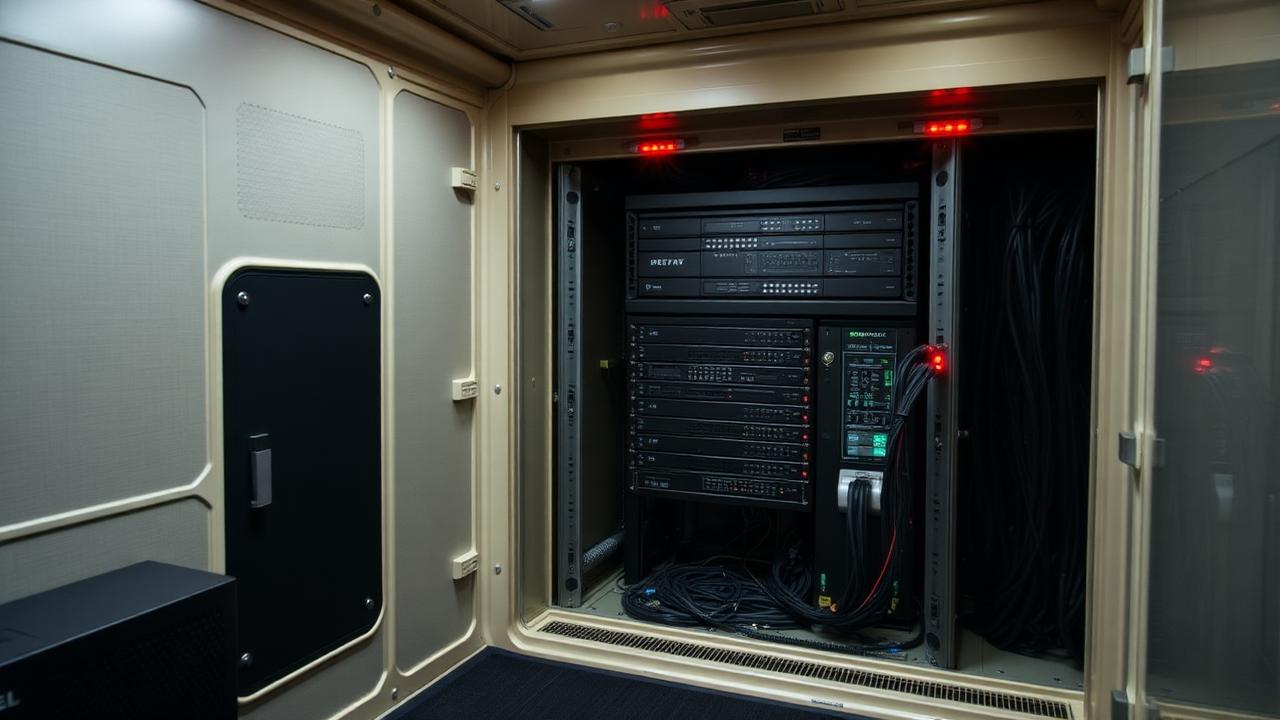
Operate Neuron coordination infrastructure within a defence cloud, sovereign network, on-premises environment or air-gapped deployment.
Available as Neuron-managed, customer-operated or fully controlled infrastructure.
C2OS is designed to help C2 platform providers integrate.
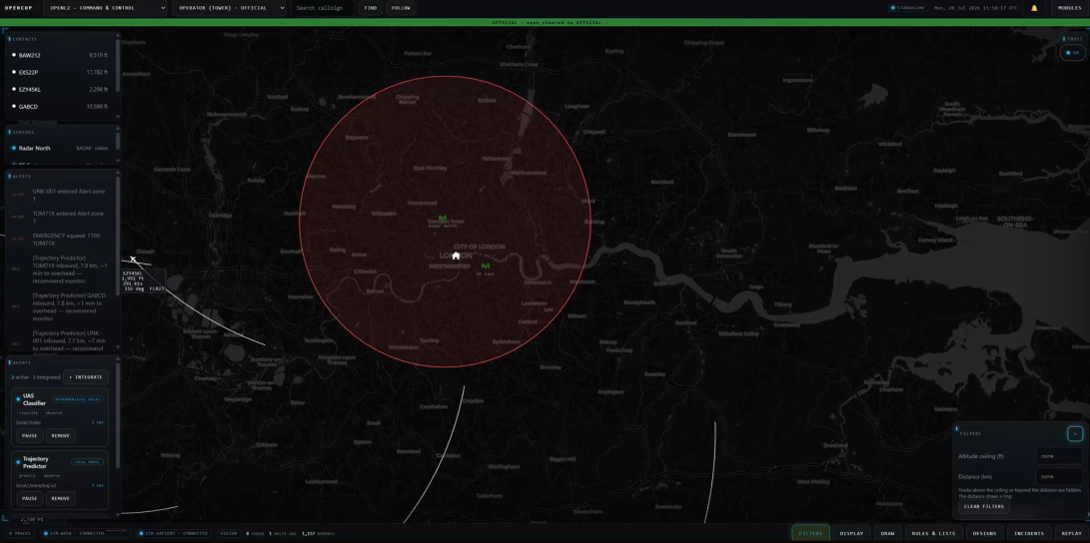
C2OS is a reference application built on the Neuron Coordination Layer. It gives C2 providers a practical starting point to accelerate integrations and adopt open standards.
It provides a configurable operational picture for coordinating sensors, vehicles, drones, robots, cameras, software applications and AI agents — usable as-is, or as a blueprint for integrating an existing C2 platform.
- Reference C2 application for rapid mission system development.
- Pre-built connectors for common sensors, effectors and data sources.
- Extensible plugin architecture.
- Community driven, transparent and vendor neutral.
Mission authority
Select a stage to see how observation, recommendation, tasking, approval and execution are kept distinct.
Observation. Sensors and systems provide information.
Recommendation, approval and execution remain separate steps. Configured human authority cannot be bypassed by automated or AI components.
Local or standalone
Operate C2OS with local systems for development, simulation, training or single-site operations.
Federated or production
Connect C2OS to Neuron coordination infrastructure for multi-site and multi-organisation coordination.
Built around identity, authority and operational control.
Security and assurance
- Strong identity
- Humans, systems and agents have attributable identities.
- Least-privilege permissions
- Authorisation can be applied per capability, asset, organisation and operational context.
- Human authority
- Hazardous or safety-critical capabilities remain subject to configured approval gates and local interlocks.
- Auditability
- Discovery, recommendations, requests, approvals and executions can be recorded and reviewed.
- Degradation transparency
- Operators can see the trust and availability status of relevant feeds and dependencies.
Sovereign deployment
Choose where coordination runs without rebuilding the systems connected to it.
Managed or self-hosted application and coordination services.
Connectivity between environments is configured by the operating organisation.
Designed to work with existing mission systems.
Neuron uses open specifications, standards-aligned interfaces and extensible adapters to reduce the need for repeated bespoke integration.
Open Neuron specifications
Use shared specifications and SDKs to expose system data and capabilities.
Defence standards
Support approved defence interoperability standards where implemented and verified. SAPIENT alignment is in progress.
Existing and legacy interfaces
Connect current APIs, protocols, data models and proprietary systems through adapters.
Built on operational experience with distributed systems.
Neuron’s operational heritage comes from coordinating independently operated surveillance systems and operational applications across live aerospace environments.
This experience provides evidence for resilient sensor handling, source attribution, system discovery and controlled software access across organisational boundaries.
- Distributed sensing
- Connect systems operated by different organisations and owners.
- Source attribution
- Maintain visibility of where operational data and services originate.
- Authorised access
- Provide approved applications with controlled access to live system capabilities.
- Reusable integration
- Add new systems and clients without rebuilding every connection.
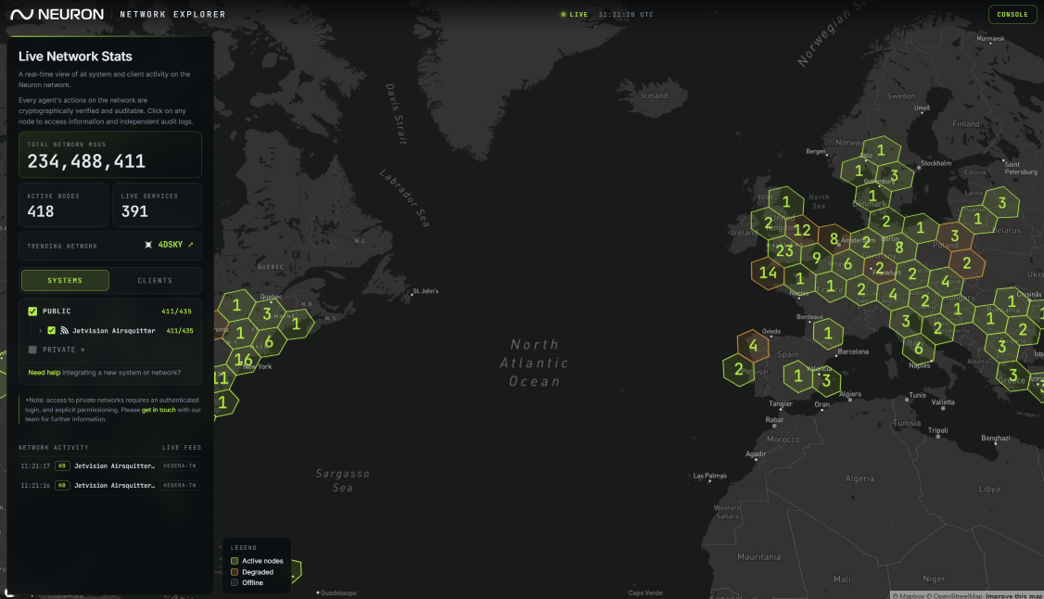
4DSKY is a civil aerospace deployment. It is presented as operational evidence for the underlying coordination architecture, not as a defence product.
Operational visualisation from the live 4DSKY network.
Coordinate mission systems without surrendering sovereignty.
Build resilient interoperability across organisations, platforms and operational domains.